• Home
  • About Medicon
  • Solutions
    • TPA Desk Management
    • Hospital Empanelment
    • Payment Recovery
    • Claim & Debt Management
    • Corporate Health Management
  • Consultations
    • Hospital Performance Transformation
    • Hospital Accreditation
    • Hospital Business Development
    • Medico Legal Consultation
    • Hospital Recruitment
  • Contact Us
  • +91-7777000560
  • corpoffice@medicongroupindia.com
  • prashant@medicongroupindia.com
  • Hospital Login
Hospital Login
  • Home
  • About Medicon
  • Solutions
    • TPA Desk Management
    • Hospital Empanelment
    • Payment Recovery
    • Claim & Debt Management
    • Corporate Health Management
  • Consultations
    • Hospital Performance Transformation
    • Hospital Accreditation
    • Hospital Business Development
    • Medico Legal Consultation
    • Hospital Recruitment
  • Contact Us
Linkedin Instagram Facebook

  • Home
  • About Medicon
  • Solutions
    • TPA Desk Management
    • Hospital Empanelment
    • Payment Recovery
    • Claim & Debt Management
    • Corporate Health Management
  • Consultations
    • Hospital Performance Transformation
    • Hospital Accreditation
    • Hospital Business Development
    • Medico Legal Consultation
    • Hospital Recruitment
  • Contact Us
Linkedin Instagram Facebook
Services

Top Reasons Hospitals Lose Revenue Without Proper Revenue Cycle Management (RCM)

By Author  Published On January 15, 2026

Many hospitals believe revenue loss happens due to low patient footfall. In reality, most hospitals in India lose revenue after the patient has already been treated—because of weak or unstructured Revenue Cycle Management (RCM).

Without a proper Revenue Cycle Management service, hospitals face claim rejections, delayed settlements, and hidden revenue leakages that directly impact cash flow and profitability.

Let’s understand the top reasons hospitals lose revenue without proper RCM.

1. Incorrect or Incomplete Patient & Insurance Details

Revenue loss often starts at the front desk.
Common issues include:

  • Incorrect policy numbers
  • Missing insurance documents
  • Unverified coverage or exclusions

Even small errors at the registration stage can lead to claim rejection or delays, resulting in financial loss.

2. Poor Pre-Authorization & TPA Coordination

For cashless treatments, pre-authorization approval is critical. Without proper coordination with TPAs and insurers:

  • Requests get delayed
  • Approvals are denied
  • Hospitals provide treatment without confirmation

This leads to unpaid or partially paid claims.

3. Inefficient TPA Desk Management

An untrained or overloaded TPA desk is one of the biggest revenue leak points.

Problems include:

  • Missed submission timelines
  • Incorrect claim documentation
  • Weak follow-ups

Without professional TPA Desk Management Services, hospitals struggle to recover full claim Value

4. Errors in Medical Coding & Billing

Incorrect coding or underbilling directly impacts hospital revenue.

Common billing mistakes:

  • Services not captured in final bills
  • Incorrect procedure codes
  • Mismatch between clinical notes and billing

A structured Revenue Cycle Management service ensures accurate coding and billing compliance.

5. Delayed Claim Submission

TPAs and insurance companies have strict timelines. Late claim submission often results in:

  • Claim denial
  • Reduced settlement amount
  • Extended payment cycles

Without RCM tracking systems, hospitals miss deadlines and lose revenue.

6. Lack of Claim Tracking & Follow-Ups

Many hospitals submit claims but don’t track them actively.

This leads to:

  • Pending claims going unnoticed
  • Queries left unresolved
  • Delayed or missed payments Effective

RCM includes real-time claim tracking and systematic follow-ups.

7. Poor Denial Management

Rejected claims are not always final. However, without a proper denial management process:

  • Rejected claims are ignored
  • Appeal opportunities are missed
  • Revenue is permanently lost

RCM focuses on analyzing, correcting, and resubmitting claims to recover revenue.

7. Poor Denial Management

Rejected claims are not always final. However, without a proper denial management process:

  • Rejected claims are ignored
  • Appeal opportunities are missed
  • Revenue is permanently lost

RCM focuses on analysing, correcting, and resubmitting claims to recover revenue.

8. Limited Use of Technology

Manual processes increase errors and reduce efficiency.

Hospitals without RCM technology face:

  • Data duplication
  • Lack of visibility
  • Higher administrative workload

Technology-enabled RCM helps identify discrepancies before claim submission.

9. Overburdened Hospital Staff

Doctors, nurses, and front-desk staff are often forced to handle insurance tasks without proper training.

This results in:

  • Operational burnout
  • Documentation gaps
  • Revenue leakage

Outsourcing RCM allows hospital teams to focus on patient care, not paperwork.

How Proper Revenue Cycle Management Prevents Revenue Loss

A strong Revenue Cycle Management service helps hospitals:

  • Reduce claim rejection rates
  • Improve settlement turnaround time
  • Ensure complete revenue capture
  • Maintain consistent cash flow
  • Improve financial transparency

How Proper Revenue Cycle Management Prevents Revenue Loss

Medicon Group provides end-to-end Revenue Cycle Management Services for hospitals in India, designed to eliminate revenue leakage.

What Medicon Group Offers:

  • Expert insurance & TPA coordination
  • Accurate billing and documentation checks
  • Dedicated claim tracking & follow-ups
  • Strong denial and recovery management
  • Integrated TPA Desk Management Services

Medicon acts as a revenue partner, not just a service provider.

Frequently Asked Questions (FAQs)

1. Why do hospitals lose revenue even with good patient flow?

Due to claim rejections, delayed settlements, billing errors, and poor follow-ups without proper RCM.

2. Can Revenue Cycle Management reduce claim rejections?

Yes. Proper RCM ensures accurate documentation, timely submissions, and effective denial management.

3. Is RCM only for large hospitals?

No. Small and mid-sized hospitals benefit equally by improving cash flow and reducing administrative burden.

4. How does RCM help in faster payments?

RCM improves pre-authorization accuracy, claim submission timelines, and follow-ups with TPAs and insurers.

5. Does Medicon Group provide complete RCM services?

Yes. Medicon Group offers end-to-end Revenue Cycle Management along with TPA Desk Management services.

Conclusion

Revenue loss in hospitals is often silent and ongoing. Without proper Revenue Cycle Management, even well-performing hospitals struggle financially.

Investing in professional RCM services is not an expense—it’s a revenue protection strategy.


TPA Desk in Hospital
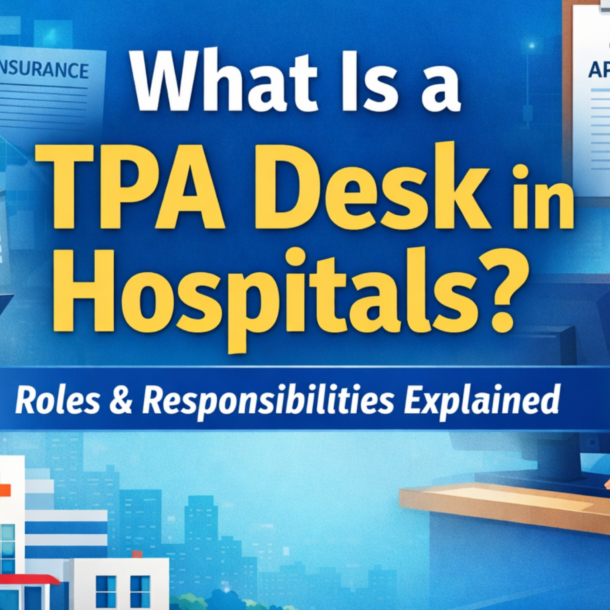
What Is a TPA Desk in Hospitals? Roles & Responsibilities Explained
Previous Article

Registered Office

Medi Consultants Private Limited

270, Udyog Vihar, Phase-2, Sector 20, Gurugram, Haryana-122002

Mobile: +91-7777000560

Corporate Office

Medicon Group

270, Udyog Vihar, Phase-2, Sector 20, Gurugram, Haryana-122002

Mob: +91-7777000560

Sales and Support

Interested in our solutions? Contact our sales representatives at corpoffice@medicongroupindia.com or prashant@medicongroupindia.com

FAQ

Locate us:

Linkedin Instagram Facebook

@Medicon Group. All Rights Reserved.